

Please note: This website contains affiliate links. As an Amazon Associate, we earn from qualifying purchases at no additional cost to you. Learn more.
10 Ways to Set Yourself Apart from the Crowd on LinkedIn
Make the most of the platform that LinkedIn provides so that you can broaden your profile and grow your real estate business and professional network.
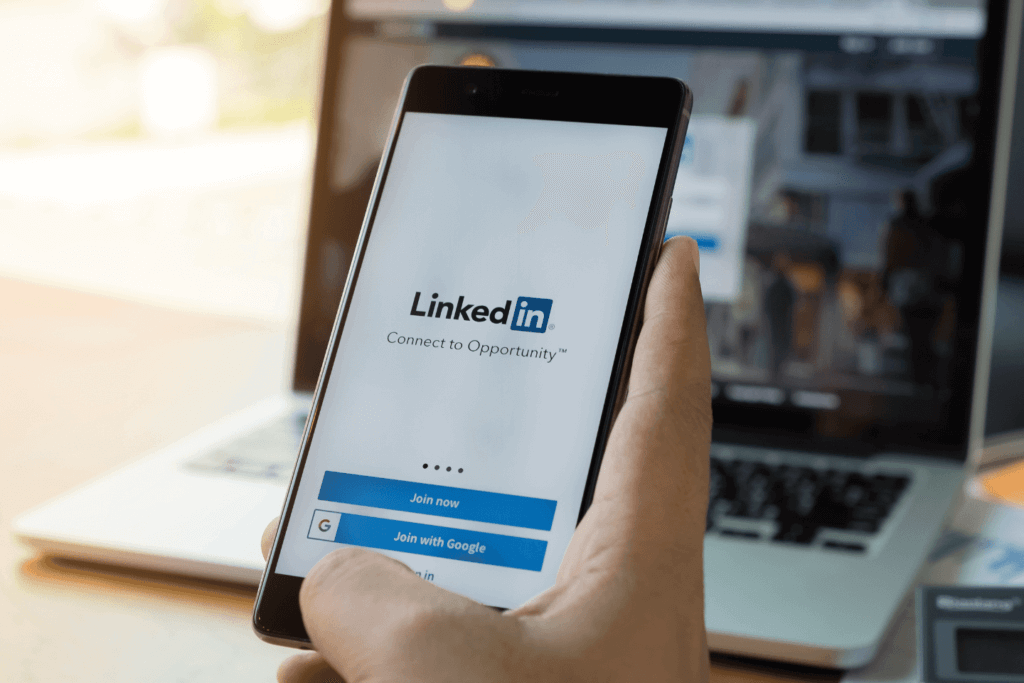
There are so many social networks that it’s hard to know which ones to focus on. Should you post your favorite recipe on Facebook? Your latest vacation pics on Instagram? Wherever else you are online, if you’re like over a billion other professionals worldwide, you’re probably also on LinkedIn.
Launched in 2003, LinkedIn has grown into a genuine content and lead-generation platform, not just a digital resume. It’s crossed 1.1 billion members worldwide, and here’s the stat that should catch your attention as an agent: posts from individual profiles get roughly 8 times the engagement of posts from business pages. Translation: your personal profile is worth far more than a company page ever will be, so let’s make it count.
Here you’ll find ten simple and practical ways to raise your profile — and that of your real estate business — on LinkedIn. As with so many online platforms, LinkedIn already has a variety of featured integrations waiting for you. You simply have to take advantage of them.
What We’ll Cover
Already nailed your profile basics? Skip straight to whatever you haven’t tried yet.
- 1. Define your target audience
- 2. Use all of LinkedIn’s resources (headline & banner)
- 3. Craft a strong About section
- 4. Optimize for maximum authority
- 5. Check your public profile settings
- 6. Grab your custom URL
- 7. Connect with power users
- 8. Check in daily
- 9. Share original content (and try a newsletter)
- 10. Use LinkedIn for its intended purpose
- Bonus: Spot relocations before anyone else does
1 | Define (and speak to) your target audience.
One of the most important ways to succeed on LinkedIn or any other platform is to thoroughly define your target audience so that the content you share is focused and meaningful. Identify their pain points and their goals and provide value-added information that is highly relevant. If you market to a specific niche, find ways to connect through LI groups geared to the interests of your target audience for an even wider reach.
2 | Use all of the resources LinkedIn provides — starting with your headline and banner.
A thoroughly completed profile will help set you up for success on LinkedIn. Make sure that you have completed all of the requested information and that you keep it up to date on an ongoing basis.
Here’s one worth calling out specifically: your headline, the line right under your name that shows up everywhere on LinkedIn (search results, comments, connection requests), is prime real estate that most agents leave on autopilot as just their job title. Instead, use it to say exactly who you are and who you help — something like “Atlanta Real Estate Agent | Helping First-Time Buyers Find Home.” One important note: don’t try to stuff this into your actual name field. LinkedIn’s terms specifically prohibit adding credentials or extra text to your name, and doing it can get your profile flagged or restricted. The headline gets you the same visibility with zero risk.
Your banner image (the wide graphic behind your profile photo) is another spot most agents completely waste with the default LinkedIn blue. Use it to show your market area, your branding, or a simple text overlay like “Atlanta Real Estate Agent.” Design it at 1584 x 396 pixels (a 4:1 ratio) — Canva has a “LinkedIn Banner” preset already sized correctly, so just search for it. One design tip: keep any text centered or toward the right side of the banner, since your profile photo covers part of the bottom-left corner. It’s free, prominent real estate on your profile, so use it.
Be sure to use a photo of yourself rather than a logo as your profile picture so that you can relate on a more personal level to folks who are checking out your services.
Share recommendations with colleagues and request recommendations from past clients and other real estate agents that you’ve worked with over the years.
3 | Craft a strong About section.
Make your About section a compelling bio that draws people in and lets them know who you are. Don’t forget to emphasize your outcomes, relevant stats, and successes. Even though this is a bio, it’s one that is designed to showcase how you can solve problems and meet the needs of your clients and colleagues.
Here’s a genuinely useful reason to write this one yourself: as of 2026, researchers estimate roughly 80% of long-form LinkedIn posts are likely AI-generated. That’s not a knock on AI, but it does mean a real, specific, human-sounding bio stands out more than ever against a sea of polished-but-generic copy. If you want a hand getting started, our guide to writing a real estate bio works just as well for your LinkedIn About section as it does anywhere else.
4 | Optimize for maximum authority.
Think about ways to maximize your authority on LinkedIn and demonstrate your standing in the real estate industry. Perhaps you have won awards or hold certifications and designations reflecting advanced training. Perhaps you have been profiled in an industry publication or featured in a news broadcast. Consider adding a graphic brag board as your banner or show media coverage as your featured posts.
5 | Check your public profile settings.
Take a look at your public profile to see what people see when they search for you on LinkedIn. Make sure that you have a variety of public-facing content so that people who want to get to know you can easily review your accomplishments and other information. If you speak multiple languages, you’ll also have the option to add a profile in another language. This is a powerful differentiator, so take advantage of it.
6 | Grab your custom URL.
The standard LinkedIn URL is a combination of your name and a series of numbers. You can customize your LinkedIn URL at no cost, so take advantage of this opportunity. It will make you look more polished and professional and it will look better when you share the link on your website or on your business card. Learn how to customize your LinkedIn URL.
7 | Connect with LinkedIn power users.
We all know those folks who seem to know everyone and who are always willing to make an introduction when called upon. They don’t just exist in the real world; they exist on LinkedIn as well. Reach out to heavy hitters in your market, your industry, and your sphere of influence with lots of connections on LinkedIn. You’ll find that this instantly puts you a step closer to many more top-tier users, significantly expanding your potential professional network.
8 | Check in daily and respond to new content.
One of the great things about LinkedIn is that it is designed to truly interact rather than as a platform for passive scrolling. Check in once a day to like and comment on the posts in your feed. Ask questions, start conversations, and truly engage in a meaningful way to deepen the relationships you’re forming with your network.
9 | Share your original content on LinkedIn — and consider a newsletter.
LinkedIn is uniquely geared toward maximizing professional development and sharing best practices. If you create original content, whether blog posts, podcasts, or videos, this is a great platform for sharing. By offering value-added information that you have created, you burnish your credentials and position yourself as an industry leader. Repurpose existing content in new and exciting ways so that you always have something fresh to post.
One feature worth trying: LinkedIn newsletters are now open to everyone (they used to require Creator Mode, which LinkedIn has since retired), and they’ve grown 150% year over year. A newsletter pulls subscribers back to you on a schedule instead of hoping the algorithm shows them your next post — pick one narrow theme (local market updates, first-time buyer tips, whatever fits your niche) and publish it every couple of weeks.
10 | Use LinkedIn for its intended, professional purpose.
LinkedIn is not generally the place to share cutesy memes and personal news. It’s also not the place to brag about your new sports car or other acquisition. It’s really not even the place to show off your newest listing or advertise yourself directly.
By interacting in a professional manner and providing original content that drives traffic back to your website and other social media channels, you’ll gather new contacts and make new acquaintances who will eventually turn into potential clients or referral sources.
Don’t sell on LinkedIn. Connect.
Bonus: Use LinkedIn to Spot Relocations Before Anyone Else Does
Here’s a tactic that’s specific to real estate and easy to miss: LinkedIn is genuinely one of the best early-warning systems for relocation business that exists. When someone in your network posts about a new job, a promotion, or a transfer to a company with offices in a different city, that’s often the very first public signal that a move might be coming — usually weeks or months before they’d ever think to call an agent.
A simple, genuine “Congratulations on the new role! Let me know if I can help with anything on the [new city] end” comment costs you nothing and puts you top of mind at exactly the right moment. This is an especially strong niche if you already have (or want to build) relationships with agents in other markets for referral partnerships.
Frequently Asked Questions
How often should I post on LinkedIn?
Two to three times per week is a solid starting point for most agents — enough to stay visible without turning it into a second job. Consistency matters more than frequency; a steady weekly rhythm outperforms a burst of posts followed by weeks of silence.
Should I connect with everyone who sends a request, or be selective?
For most agents, a fairly open connection strategy works well, since a bigger network means more people who might see your content or think of you for a referral. That said, it’s fine to skip anything that looks like a bot account or an obvious sales pitch with no shared context.
Should I use a personal profile or a business page for my real estate brand?
Lead with your personal profile. Posts from individual profiles get roughly 8 times the engagement of posts from business pages on LinkedIn, so a business page is worth having for credibility but shouldn’t be where you put your actual content effort.
Is LinkedIn Premium worth it for real estate agents?
It depends on how actively you’re using the platform for prospecting. If you’re mostly posting content and engaging organically, the free version covers everything you need. Premium becomes worth considering if you’re using LinkedIn’s search and messaging tools heavily to prospect specific people, like corporate relocation contacts.
Other Articles You May Like:
- 14 Ideas to WOW Your Home Seller Before and After the Sale
- How to Become More Social on Social Media
- How to Write a Real Estate Bio
- Sphere of Influence: The Ultimate Guide
Please note: This website contains affiliate links. As an Amazon Associate, we earn from qualifying purchases at no additional cost to you. Learn more.